Delaure
From one-man operation to structured repeatable drop system.

Delaure
From viral signal to controlled demand
Context
Delaure was a strong brand at its core, but entirely founder-led. The designer handled everything himself—product development, content, creative direction, and releases. Drops were already part of the brand’s DNA, but there was no fixed structure behind them. Each release felt like starting from scratch.
One product stood out.
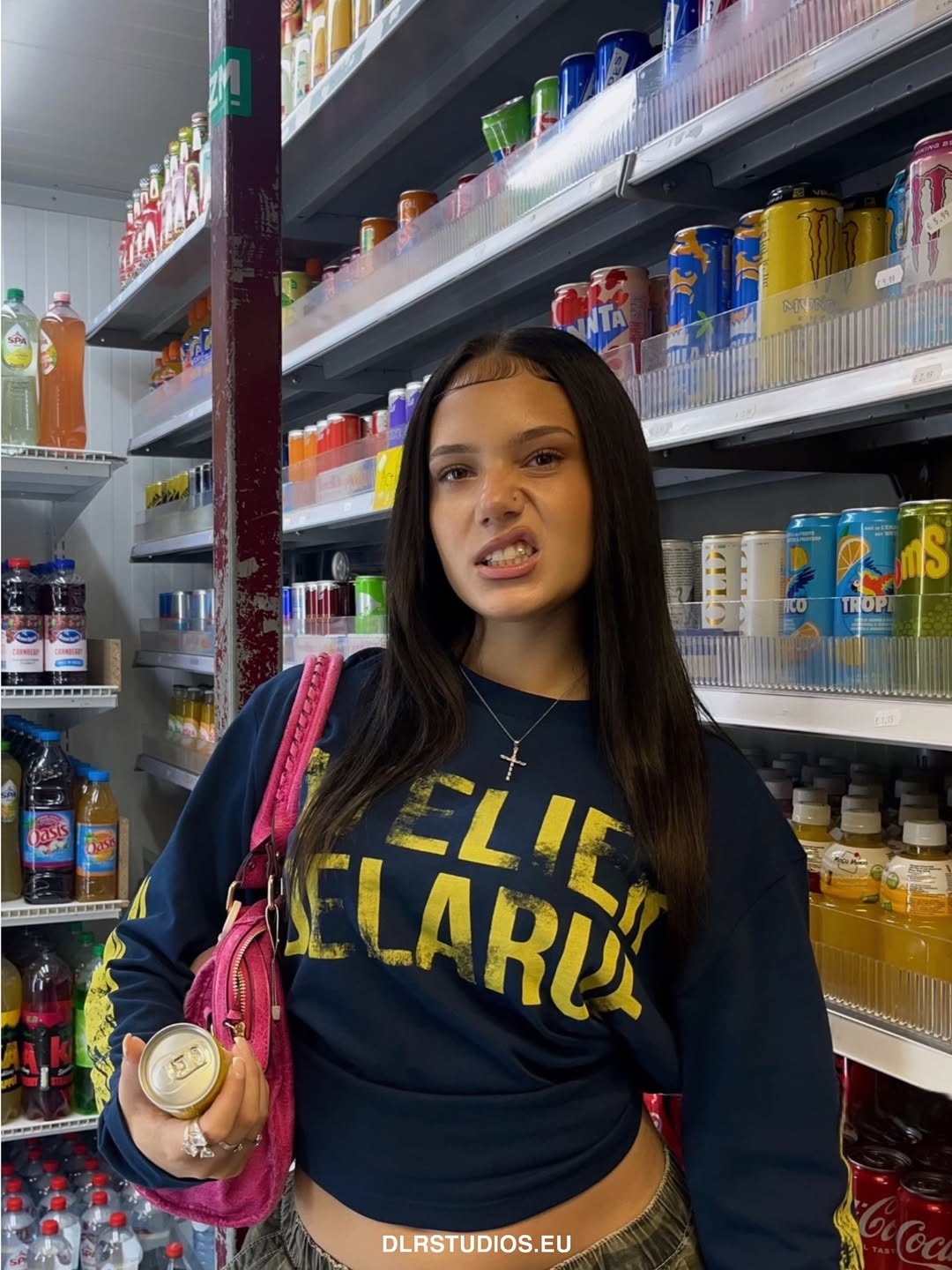
A longsleeve that kept resurfacing organically in sales and on TikTok. It wasn’t seasonal. It worked year-round—festival season, winter layering, everyday wear. Demand existed without being pushed.
When I looked at the signals, it was clear this product had more potential than it was currently capturing. Not by adding more, but by organizing what already worked.
Problems
No structured drop system
Drops were intentional, but not systemized. There was no consistent preparation window, no fixed pre-drop buildup, and no repeatable execution model. Momentum relied on timing and instinct rather than structure.
Viral demand without direction
The longsleeve generated attention organically, but there was no mechanism to convert that attention into predictable revenue. Interest spiked and disappeared instead of compounding.
Website not built for performance
The site reflected previous drops, but it wasn’t optimized for conversion or scale. It functioned, but friction remained—especially on mobile.
Unclear audience focus
Both men and women were purchasing, but all content leaned female. Instead of testing everything at once, a clear decision had to be made.
Creative output without structure
Content existed, but it wasn’t organized into a system. Creatives launched, rotated, and disappeared without building on each other.
Strategy
One product, one drop
Everything centered around a single hero product: the longsleeve. No collection noise. Multiple colorways, one narrative.
Website rebuilt from past learnings
The new site was designed using insights from previous drops. Less explanation, more flow. Faster navigation, clearer hierarchy, and built specifically for drop traffic.
Clear audience decision
Given time constraints, we committed fully to one audience. We doubled down on women—the segment already converting strongest. Expansion could come later, but focus was critical here.
Pre-drop demand capture
The drop didn’t start on launch day.
We built intent in advance through:
Paid ads collecting email sign-ups
Clear communication around the upcoming release
Full-funnel creative system
UGC-led creative direction
UGC became the backbone of the campaign. The product wasn’t explained—it was shown. Creators wore it naturally, allowing recognition to do the work. These creatives powered both paid and organic momentum.
Execution
Everything aligned on drop day.
Paid ads reinforced familiarity, not urgency.
Email supported rhythm, not pressure.
The site enabled speed and clarity.
Same product. Same tone. Repeated consistently across every touchpoint.
Results
€76,815.60 in drop day revenue
85% of inventory sold within 24 hours
8-week preparation window
Viral attention translated into controlled demand
The data reflected cohesion, not coincidence.
Key insights
Virality is not a strategy—it’s a signal
Drops only scale when preparation is taken seriously
Focus beats optionality
UGC performs best when it becomes part of a system
The cleanest drops are never accidental
Closing
Delaure didn’t need a new product.
It needed direction.
By building structure around what already worked, growth became repeatable instead of reactive. This drop wasn’t a spike—it was the foundation of a system.
Not chasing attention.
But building momentum.